Art College Prep Courses for Success: Your Guide to College Art Preparation
Starting your journey toward a career in art can feel exciting and overwhelming at the same time. Whether you dream of becoming a professional illustrator, graphic designer, or fine artist, building a strong foundation is key. That’s where college art preparation comes in. These courses help you develop essential skills, create a standout portfolio, and gain confidence to apply to top art schools.
In this post, I’ll walk you through everything you need to know about art college prep courses. I’ll share practical tips, explain what to expect, and highlight how these courses can set you up for success. Let’s dive in!
Why College Art Preparation Matters
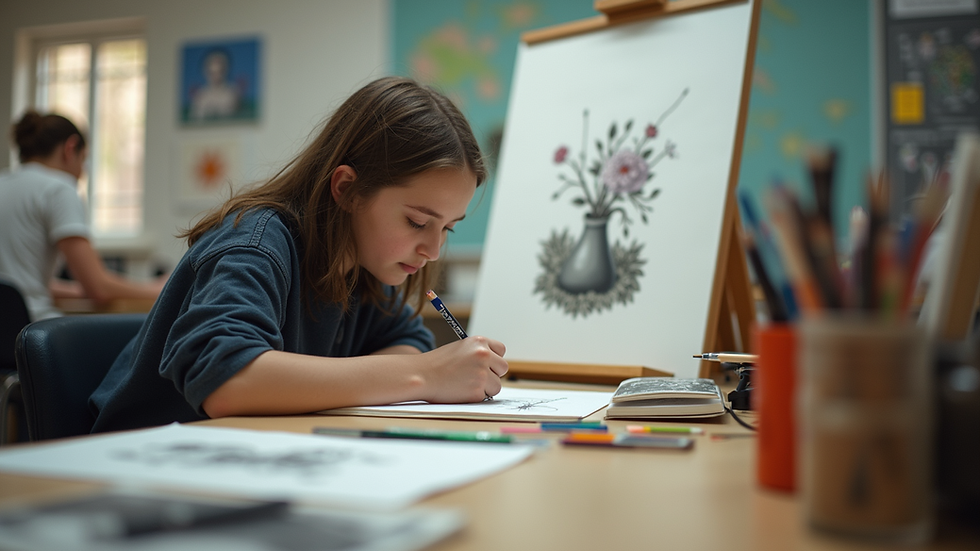
Art college preparation is more than just practicing drawing or painting. It’s about learning the fundamentals that every artist needs to master. These courses focus on building your technical skills, understanding art concepts, and developing your unique style.
Here’s why college art preparation is so important:
Skill Development: You learn to draw, paint, sculpt, and use digital tools with confidence.
Portfolio Building: You create a collection of your best work to show colleges.
Creative Thinking: You explore ideas and learn how to express them visually.
Feedback and Growth: You get constructive critiques that help you improve.
College Readiness: You understand what art schools expect from applicants.
For example, a typical prep course might start with basic drawing exercises, then move on to color theory, composition, and mixed media projects. You’ll also get guidance on how to present your work professionally.
If you’re looking for a local option, consider art college prep courses fort lee to get personalized instruction and support.
What to Expect from College Art Preparation Courses
When you enroll in a college art prep course, you can expect a structured program designed to build your skills step-by-step. Here’s a breakdown of what these courses usually include:
1. Fundamentals of Drawing and Painting
You start with the basics: learning how to see shapes, lines, and shadows. This includes:
Gesture drawing to capture movement
Shading techniques for depth
Perspective drawing for realism
Color mixing and application
2. Art History and Inspiration
Understanding the history of art helps you see how styles and techniques evolved. You’ll study famous artists and movements, which can inspire your own work.
3. Portfolio Development
Your portfolio is your art resume. Courses guide you in selecting and refining pieces that showcase your strengths. You’ll learn how to:
Photograph or scan your artwork professionally
Write artist statements explaining your work
Organize your portfolio for different college applications
4. Digital Art Skills
Many prep courses now include digital art tools like Adobe Photoshop or Procreate. These skills are essential for modern artists and designers.
5. Critiques and Group Discussions
Regular feedback sessions help you see your work from new perspectives. You learn to accept constructive criticism and use it to grow.
6. Time Management and Project Planning
Balancing art projects with schoolwork is a skill you’ll develop. Prep courses teach you how to plan and meet deadlines effectively.
By the end of the course, you’ll have a solid portfolio and the confidence to apply to art colleges.

What is the 1 Art School in America?
If you’re wondering where your hard work could take you, many consider the Rhode Island School of Design (RISD) as the #1 art school in America. RISD is known for its rigorous programs, talented faculty, and strong alumni network.
Here’s why RISD stands out:
Comprehensive Curriculum: RISD offers courses in fine arts, design, architecture, and more.
Creative Community: Students collaborate and inspire each other.
Career Opportunities: Graduates often land jobs at top studios and companies.
Facilities: State-of-the-art studios and resources support every medium.
While RISD is a dream for many, remember that there are many excellent art schools across the country. Your portfolio and preparation will open doors to the right fit for you.
How to Choose the Right Art College Prep Course
Choosing the right prep course can make a big difference in your art journey. Here are some tips to help you find the best fit:
1. Look for Experienced Instructors
Find courses taught by artists or educators with experience in college admissions. They understand what schools look for.
2. Check Course Content
Make sure the course covers fundamentals, portfolio building, and digital skills. A well-rounded program is essential.
3. Consider Class Size
Smaller classes mean more personalized attention and feedback.
4. Review Student Work
Ask to see examples of past students’ portfolios. This shows the quality of instruction.
5. Flexibility and Schedule
Choose a course that fits your school and extracurricular activities.
6. Location and Format
Some students prefer in-person classes, while others thrive in online settings. Pick what works best for you.
7. Support and Resources
Look for courses that offer extra help, such as one-on-one mentoring or college application advice.
By doing your research, you’ll find a course that helps you grow as an artist and prepares you for college success.
Tips for Making the Most of Your Art College Prep Experience
Once you start your prep course, here are some ways to get the most out of it:
Practice Regularly: Set aside time each day to draw or paint.
Ask Questions: Don’t hesitate to seek help or clarification.
Experiment: Try new materials and styles to find your voice.
Stay Organized: Keep your work and notes in order.
Build Relationships: Connect with instructors and peers for support.
Reflect on Feedback: Use critiques to improve, not discourage.
Prepare for Applications Early: Start gathering materials and writing statements well before deadlines.
Remember, art is a journey. Every sketch and project brings you closer to your goals.
Art college preparation is a powerful step toward turning your passion into a career. With the right courses, guidance, and dedication, you can build a portfolio that opens doors to top colleges and creative opportunities. Whether you’re just starting or looking to sharpen your skills, investing in your art education now will pay off in the future.
Explore options like art college prep courses fort lee and take the first step toward your artistic dreams today!

Comments